
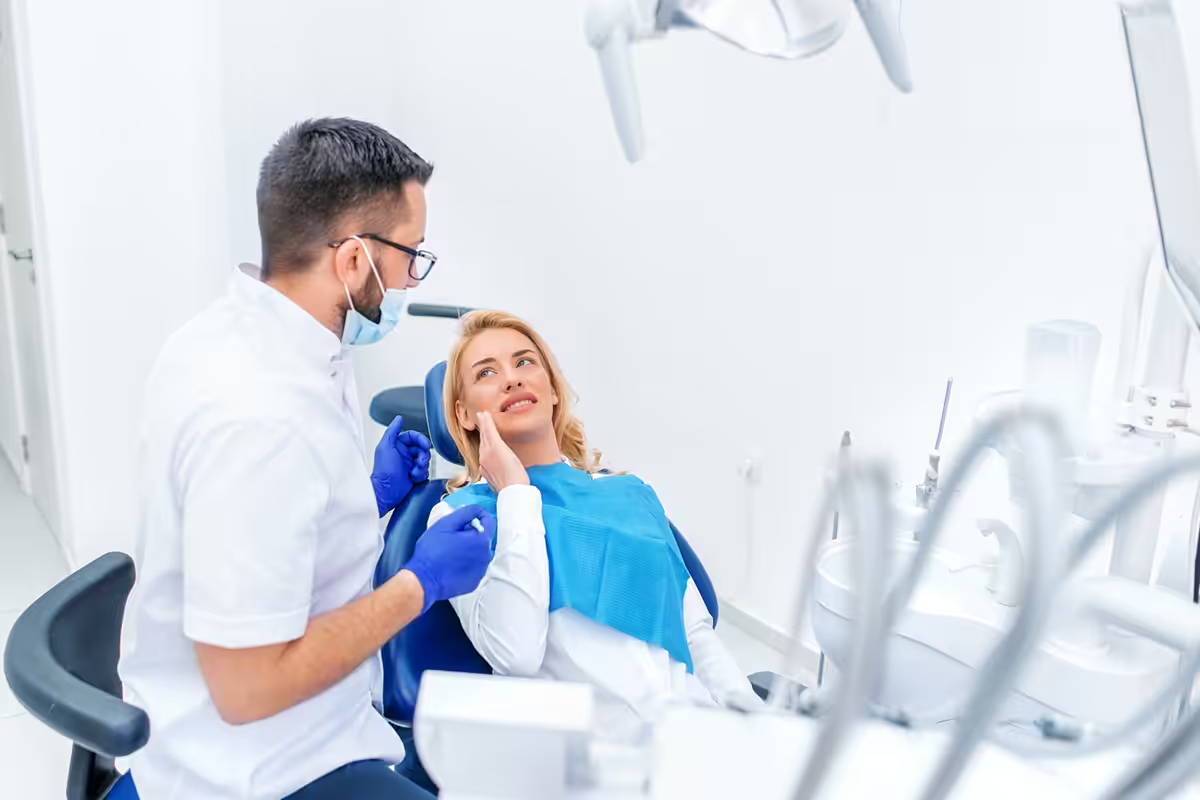
Dental emergencies can happen when you least expect them. A sudden toothache, broken crown, knocked-out tooth, or swelling in your mouth can quickly turn into a stressful situation that requires immediate attention. Knowing what to do in those first few minutes can help reduce pain, prevent further damage, and improve the chances of saving your tooth.
At Meadows Dental Associates of Sarasota, patients receive prompt, compassionate care for urgent dental concerns. The practice has served the Sarasota community for more than 35 years and offers emergency treatment during and after office hours when needed. Their experienced team understands how frightening dental emergencies can feel and works quickly to provide relief and protect long-term oral health.
How to Recognize a True Dental Emergency
Not every dental issue requires same-day care, but some situations should never be ignored. Understanding the difference between a routine dental concern and a true emergency can help you make the right decision quickly.
Severe tooth pain is one of the most common reasons people seek emergency dental treatment. Persistent throbbing pain may indicate an infection deep inside the tooth or gums. If the discomfort is severe, keeps you awake, or causes swelling, it is important to contact a dentist right away.
A knocked-out permanent tooth is another urgent situation. Time matters because the tooth may still be saved if treated quickly. Cracked or broken teeth can also become emergencies, especially if there is pain, bleeding, or sharp edges that could injure your mouth.
Other dental emergencies include:
- Facial swelling
- Dental abscesses
- Uncontrolled bleeding
- Injuries to the lips, gums, tongue, or cheeks
- Lost fillings or crowns causing significant discomfort
- Broken dentures affecting eating or speaking
- Signs of infection, including fever or pus
According to Meadows Dental Associates, fast treatment often offers the best chance of saving damaged teeth and preventing complications.
What to Do During Common Dental Emergencies
Staying calm during a dental emergency can help you take the right steps before reaching the dentist’s office. While home care cannot replace professional treatment, proper first aid may reduce pain and improve outcomes.
- Toothache. Rinse your mouth gently with warm water and floss carefully around the affected tooth to remove trapped food or debris. Avoid placing aspirin directly on the gums because it can irritate the tissue. A cold compress on the outside of the cheek may help reduce swelling. If the pain persists, contact your dentist as soon as possible.
- Knocked-Out Tooth. If a permanent tooth gets knocked out, pick it up carefully by the crown and avoid touching the root. If possible, place the tooth gently back into the socket without forcing it. If you cannot reinsert it, store the tooth in milk and seek emergency dental care immediately. Meadows Dental Associates specifically recommends milk instead of water because water can damage the root cells.
- Cracked or Broken Tooth. Rinse your mouth with warm water and use a cold compress to control swelling. Save any broken pieces if possible. Even small cracks can worsen over time, so prompt evaluation is important.
- Lost Crown or Filling. A missing crown or filling can leave sensitive parts of the tooth exposed. Keep the area clean and avoid chewing on that side of your mouth. Temporary dental cement from a pharmacy may help protect the tooth until you can see the dentist.
- Dental Abscess. An abscess is a serious infection that can spread if left untreated. Symptoms may include swelling, severe pain, a bad taste in the mouth, or fever. Rinse with warm salt water several times daily and seek immediate professional care.
- Soft Tissue Injuries. Cuts to the lips, cheeks, gums, or tongue may bleed heavily because the mouth contains many blood vessels. Apply gentle pressure with clean gauze or cloth and use a cold compress to reduce swelling. If bleeding does not stop, emergency treatment may be necessary.
Why Fast Treatment Matters
Delaying treatment during a dental emergency can make the problem worse. Minor discomfort can quickly become severe pain, infection, or permanent tooth damage if ignored.
For example, a small crack in a tooth may seem manageable at first, but bacteria can enter the inner tooth structure and lead to infection. A lost filling can expose sensitive nerves and increase the risk of decay. Infections that begin in the mouth may spread to other parts of the body if not treated promptly.
Fast care also improves the likelihood of saving natural teeth. A knocked-out tooth has the best chance of successful reattachment when treated within an hour. Quick treatment for infections may prevent the need for more extensive procedures later.
Meadows Dental Associates provides comprehensive dental services and emergency care to help patients receive treatment quickly when urgent situations arise. Their experienced team uses advanced dental technology and personalized treatment plans to address a wide range of dental concerns.
How to Prevent Dental Emergencies
While not every emergency can be avoided, many dental injuries and painful problems are preventable with good habits and routine care.
Regular dental checkups allow dentists to identify issues early before they become emergencies. Small cavities, weakened fillings, and early signs of infection can often be treated before they cause pain or damage.
Wearing a mouthguard during sports is another important preventive step. Sports-related injuries are a common cause of chipped and knocked-out teeth. A custom mouthguard helps protect your smile during physical activity.
Avoid chewing hard objects like ice, popcorn kernels, or pens, which can crack teeth unexpectedly. Patients who grind their teeth at night may also benefit from a custom nightguard to reduce pressure and wear.
Maintaining good oral hygiene at home is equally important. Brushing twice daily, flossing regularly, and limiting sugary foods can help prevent decay and gum disease that may eventually lead to dental emergencies.
If you already have crowns, fillings, or dental restorations, routine monitoring can help ensure they remain secure and functional. Preventive care is often the best way to avoid unexpected dental pain and costly repairs.
When to Call Meadows Dental Associates
Many people hesitate during a dental emergency because they are unsure whether the problem is serious enough to call a dentist. When in doubt, it is always better to seek professional guidance. Even symptoms that seem minor may indicate a more significant underlying issue.
The team at Meadows Dental Associates understands that emergencies can happen at any time and strives to provide fast, reliable care for patients in Sarasota. Their familiarity with patients’ dental histories, insurance information, and treatment needs can help make the process smoother during stressful situations.
If you experience severe pain, swelling, bleeding, trauma, or signs of infection, contacting a dental professional right away can protect both your oral health and overall well-being.
Frequently Asked Questions About Dental Emergencies
Should I go to the emergency room for a dental emergency?
Most dental emergencies are best treated by a dentist rather than an emergency room. However, if you have severe facial swelling, difficulty breathing, heavy bleeding, or major trauma, you should seek immediate medical attention.
Can a cracked tooth wait until my next dental appointment?
Even small cracks should be evaluated as soon as possible. Cracks can worsen over time and allow bacteria to enter the tooth, potentially leading to infection or tooth loss.
What should I do if my child knocks out a baby tooth?
You should not attempt to place a baby tooth back into the socket because it may damage the developing permanent tooth underneath. Contact your dentist for guidance on the next steps.
How can I reduce pain before my emergency dental appointment?
You can rinse with warm salt water, apply a cold compress, and take over-the-counter pain medication as directed. Avoid chewing on the affected side and do not place aspirin directly on the gums.
Are dental abscesses dangerous?
Yes. Dental abscesses are infections that can spread if untreated. Symptoms may include swelling, pain, fever, or drainage. Immediate dental treatment is important to prevent serious complications.