
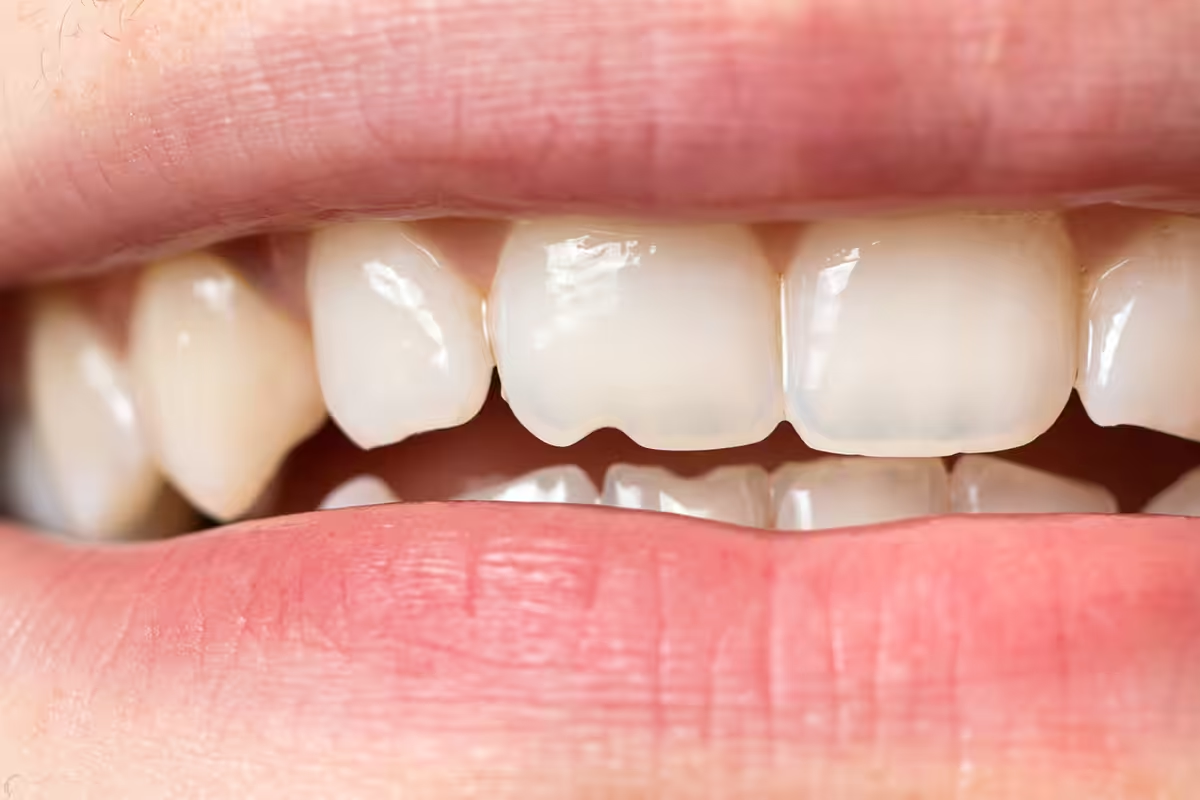
A chipped tooth can happen when you least expect it. Whether it occurs while eating, playing sports, or as the result of an accident, seeing a piece of your tooth break away can be alarming. While some chips are minor and primarily affect appearance, others can expose sensitive areas of the tooth and increase the risk of further damage.
The good news is that most chipped teeth can be successfully treated by a dentist. However, knowing what to do in the hours or days before your appointment can help reduce discomfort, protect the tooth, and prevent complications. If you experience a chipped tooth, taking the right steps while waiting for professional care can make a significant difference in your overall outcome.
Assess the Severity of the Chipped Tooth
The first step is to evaluate the extent of the damage. Not every chipped tooth is considered a dental emergency, but some situations require prompt attention.
A minor chip may only affect the enamel, the hard outer layer of the tooth. These chips often cause little or no pain and may only be noticeable when you run your tongue across the rough edge. Larger chips can expose the dentin beneath the enamel, leading to increased sensitivity to hot, cold, or sweet foods.
More serious fractures may reach the inner pulp of the tooth, where nerves and blood vessels are located. If you experience significant pain, bleeding, swelling, or a large portion of the tooth breaks away, contact your dentist immediately. Emergency dental care may be necessary to save the tooth and prevent infection. Meadows Dental Associates of Sarasota provides emergency dentistry services and can help address urgent dental concerns when they arise.
After assessing the damage, rinse your mouth gently with warm water to remove any debris and help keep the area clean.
Protect the Tooth Until Your Appointment
Once the tooth has been chipped, protecting it from additional damage becomes a priority.
If you can locate the broken piece of the tooth, place it in a clean container. While not every fragment can be reattached, your dentist may want to examine it during your visit. Handle the piece carefully and avoid scrubbing it.
A chipped tooth often leaves behind sharp or jagged edges that can irritate your tongue, cheeks, or lips. Dental wax, available at most pharmacies, can be placed over the rough area to create a temporary barrier. If dental wax is unavailable, sugar-free chewing gum may provide a short-term solution until you can be seen.
Avoid using the damaged tooth for chewing. Instead, chew on the opposite side of your mouth whenever possible. Hard foods, crunchy snacks, nuts, ice, and sticky candies should be avoided because they can worsen the fracture.
If the chip occurred due to a sports injury or trauma, consider wearing a mouthguard if you participate in activities that could put the tooth at further risk before your appointment.
Manage Pain and Sensitivity Safely
Many chipped teeth cause little discomfort, but some can become quite sensitive. Fortunately, there are several ways to manage symptoms while waiting for treatment.
Over-the-counter pain relievers may help reduce discomfort. Follow the manufacturer's instructions and avoid placing aspirin directly against the gums or tooth, as this can irritate oral tissues.
Temperature sensitivity is common after a chip. Avoid extremely hot or cold foods and beverages until the tooth has been evaluated. Drinking through a straw may also help minimize contact with sensitive areas.
If the tooth is causing significant sensitivity, temporary dental repair kits available at pharmacies can provide short-term coverage. These products are designed to protect exposed areas until professional treatment is available. They should not be viewed as permanent solutions, but they can offer some relief.
Applying a cold compress to the outside of the face near the affected area may help reduce swelling and discomfort, particularly if the chip resulted from an injury.
Know When a Chipped Tooth Requires Immediate Care
While many chipped teeth can wait for a scheduled appointment, certain symptoms indicate the need for prompt dental attention.
Contact your dentist immediately if you experience:
- Severe or persistent tooth pain
- Significant swelling of the gums or face
- Bleeding that does not stop
- A large fracture involving a substantial portion of the tooth
- Visible exposure of the tooth's inner structures
- Difficulty biting or chewing
- Signs of infection, such as fever or drainage
Even if the chip seems minor, it is still important to have it evaluated. Small fractures can sometimes extend deeper into the tooth than they initially appear. Early treatment often prevents more extensive and costly procedures later.
Frequently Asked Questions About Chipped Teeth
Can a chipped tooth heal on its own?
No, a chipped tooth cannot regenerate lost enamel or repair itself. Even if the chip is small and painless, it is important to have a dentist evaluate the damage to prevent further problems.
Should I brush a chipped tooth?
Yes, you should continue brushing and flossing carefully to keep the area clean. Use a soft-bristled toothbrush and avoid applying excessive pressure around the damaged tooth.
What foods should I avoid with a chipped tooth?
Avoid hard, crunchy, sticky, or chewy foods that could worsen the fracture. It is also best to avoid extremely hot or cold foods if the tooth has become sensitive.
How is a chipped tooth repaired?
Treatment depends on the size and location of the chip. Common solutions include dental bonding, veneers, crowns, or other restorative procedures designed to protect the tooth and restore its appearance.
Is a chipped tooth considered a dental emergency?
A minor chip without pain may not require immediate emergency treatment, but it should still be examined promptly. If the chipped tooth causes severe pain, bleeding, swelling, or exposes the inner portion of the tooth, seek emergency dental care right away.
For nearly 40 years, Meadows Dental Associates of Sarasota has provided comprehensive dental care to patients throughout Sarasota and surrounding communities, emphasizing individualized treatment and patient comfort. Their experienced team offers preventive, restorative, cosmetic, and emergency dental services to help patients maintain healthy smiles. Contact us today to schedule an appointment.